The EU Pay Transparency Directive
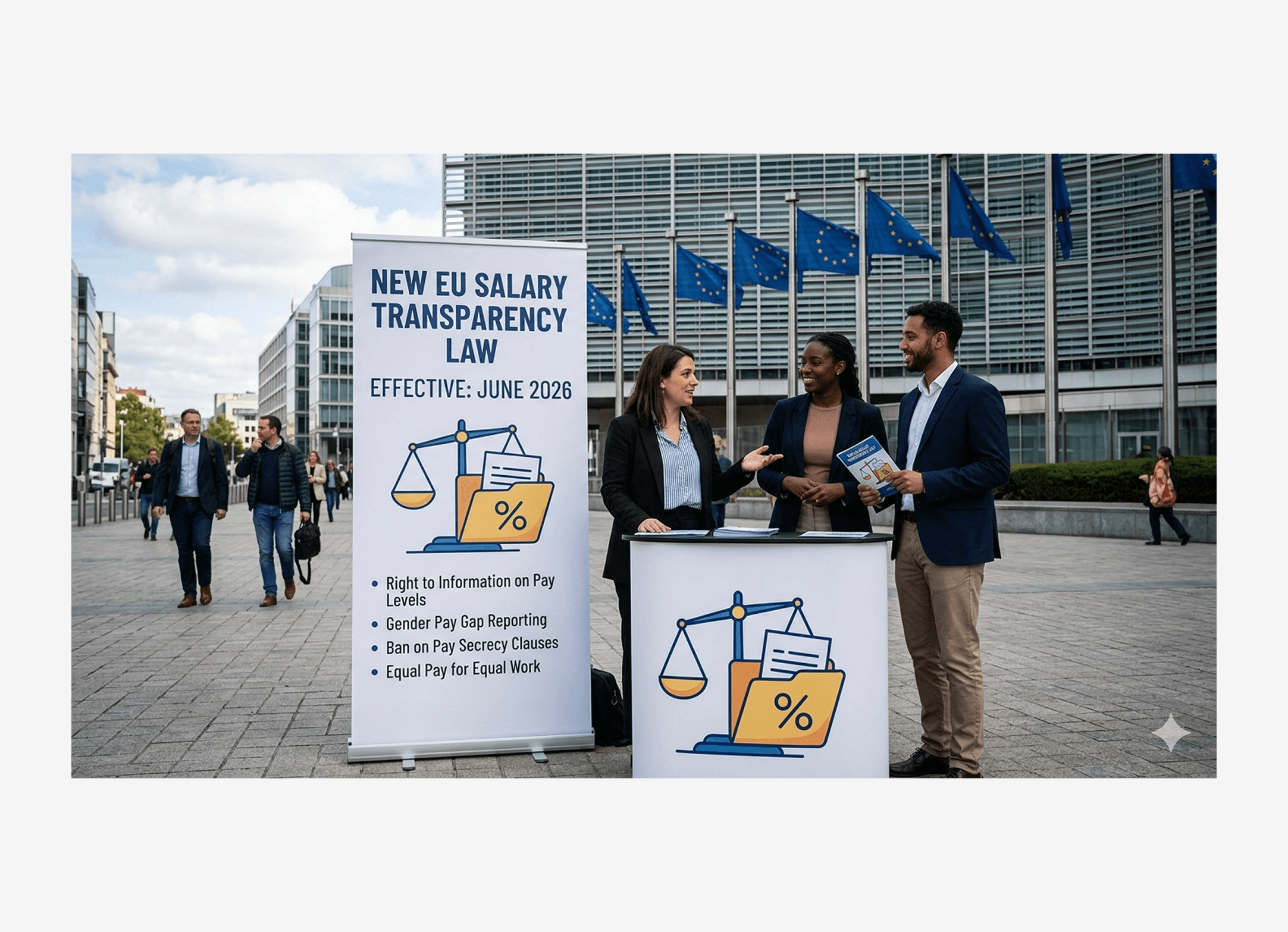
If you think this is just a reporting exercise for HR, you are missing the bigger picture. This is a fundamental redesign of the employer-employee contract.
I’ve been looking at the data coming out of California since their transparency laws (SB 1162) took hold. Research from the NBER and state reports give us a clear look at our future:
📉 The Gender Gap Shrinks: Evidence suggests that banning salary history and enforcing transparency helped reduce the gender wage gap by nearly 9% for job changers. When the "ask gap" is removed, the playing field seems to level out.
💸 Posted vs. Realized: While "posted" salaries in ads can rise by about 5% due to competition, actual "realized" wages for incumbents often stay steady. Transparency is as much a recruitment marketing tool as it is a policy.
🤐 The End of "Salary History": The EU will ban asking candidates about their previous pay. Much like the California Labor Code updates, this forces companies to value the role and the person's skills rather than their "negotiation baggage."
The EU Directive adds an even sharper edge: if a company's gender pay gap exceeds 5% and can't be justified, they must conduct a joint pay assessment with worker reps.
The Honest Learning: Transparency doesn't create discipline; it reveals it. However, the path to implementation is getting bumpy according to recent legal trackers:
⏳ Local Delays: Countries like The Netherlands and Denmark have already proposed moving their "go-live" dates to 2027 to manage the legislative transition.
🛑 Strategic Pushback: Sweden has even called for a full renegotiation, while BusinessEurope is requesting a two-year "stop the clock" pause to simplify the administrative burden.
Despite these local delays, the shift is inevitable. We are moving away from a world of individual negotiation and toward a future of collective clarity.
Is your organization building the systems needed for this shift, or just waiting for the next deadline extension?
#SalaryTransparency #EUDirective #PayEquity #HRTech #FutureOfWork #Leadership